
Common Myths About Dental Implants
Fear and misinformation often keep people from pursuing tooth replacement options that could genuinely improve their quality of life. Outdated ideas about pain, cost, and suitability circulate widely, sometimes preventing candidates from exploring a solution that fits their needs well. Separating myth from reality helps patients make informed decisions based on current dental technology rather than outdated assumptions.
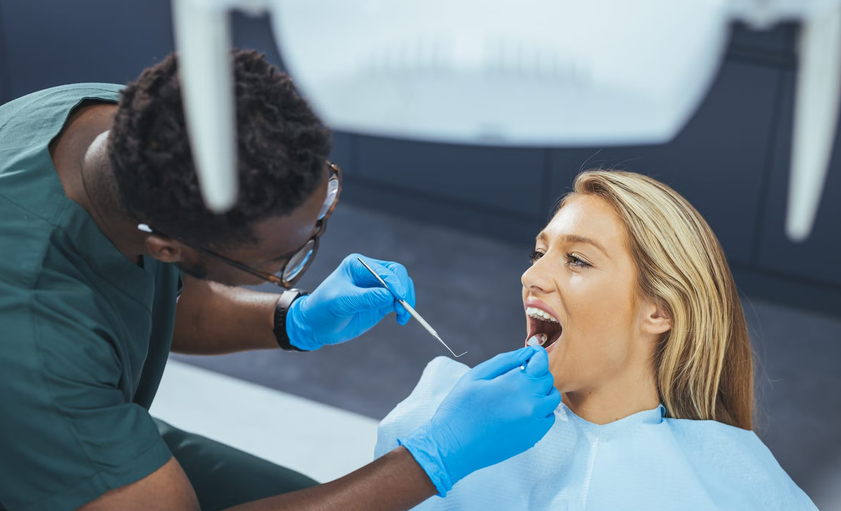
Separating Fact from Common Misconceptions
Held back by outdated fears about pain or cost of tooth replacement? Understanding what full dental implants Pittsburgh PA patients actually experience helps clear up common misconceptions. Here is what often gets misunderstood.
Myth That the Procedure Is Extremely Painful
Many people assume implant surgery involves significant, prolonged pain. In reality, most patients report the discomfort compares to a routine tooth extraction. Local anesthesia during the procedure prevents pain during placement itself. Post surgical discomfort typically responds well to over-the-counter pain relievers within a few days. This misconception often prevents people from exploring an option that proves far more manageable than expected.
Myth That Implants Look Unnatural
Modern implant crowns get custom crafted to match surrounding teeth in color, shape, and size. Skilled dentists consider facial structure and existing teeth during the design process. The result typically looks indistinguishable from natural teeth to anyone else. This attention to detail addresses a common concern that prevents some patients from considering implants over more visible options like traditional dentures.
Myth That Only Younger Patients Qualify
Age alone rarely disqualifies someone from receiving implants. Bone density and overall health matter more than a specific age cutoff. Many older adults successfully receive implants, sometimes after bone grafting addresses insufficient density. Dentists evaluate each case individually rather than applying blanket age restrictions. This misconception sometimes discourages older patients from even asking about options that might genuinely suit their situation.
Myth That Recovery Takes Years
While complete bone integration takes several months, this does not mean patients experience months of significant disruption. Most people return to normal activities within days of the initial procedure. The waiting period before final crown placement involves healing happening naturally in the background, not ongoing discomfort or restricted activity. Understanding this timeline helps set realistic expectations rather than assuming extended difficulty throughout the entire process.
Myth That Implants Require No Special Care
Some assume implants need less attention than natural teeth once healed. In reality, consistent oral hygiene remains essential for long term success. Neglecting proper care can lead to gum disease affecting the surrounding bone supporting the implant. Treating implants with the same care as natural teeth protects this investment for potentially a lifetime of function.
Conclusion: Separating Fact from Common Misconceptions
Outdated myths about pain, appearance, age restrictions, and recovery often prevent people from exploring dental implants seriously. Understanding the reality behind these misconceptions helps patients make informed decisions based on current practices rather than fear. Recognizing these facts often reveals a more manageable and rewarding path toward restored function and confidence.
Recent Comments